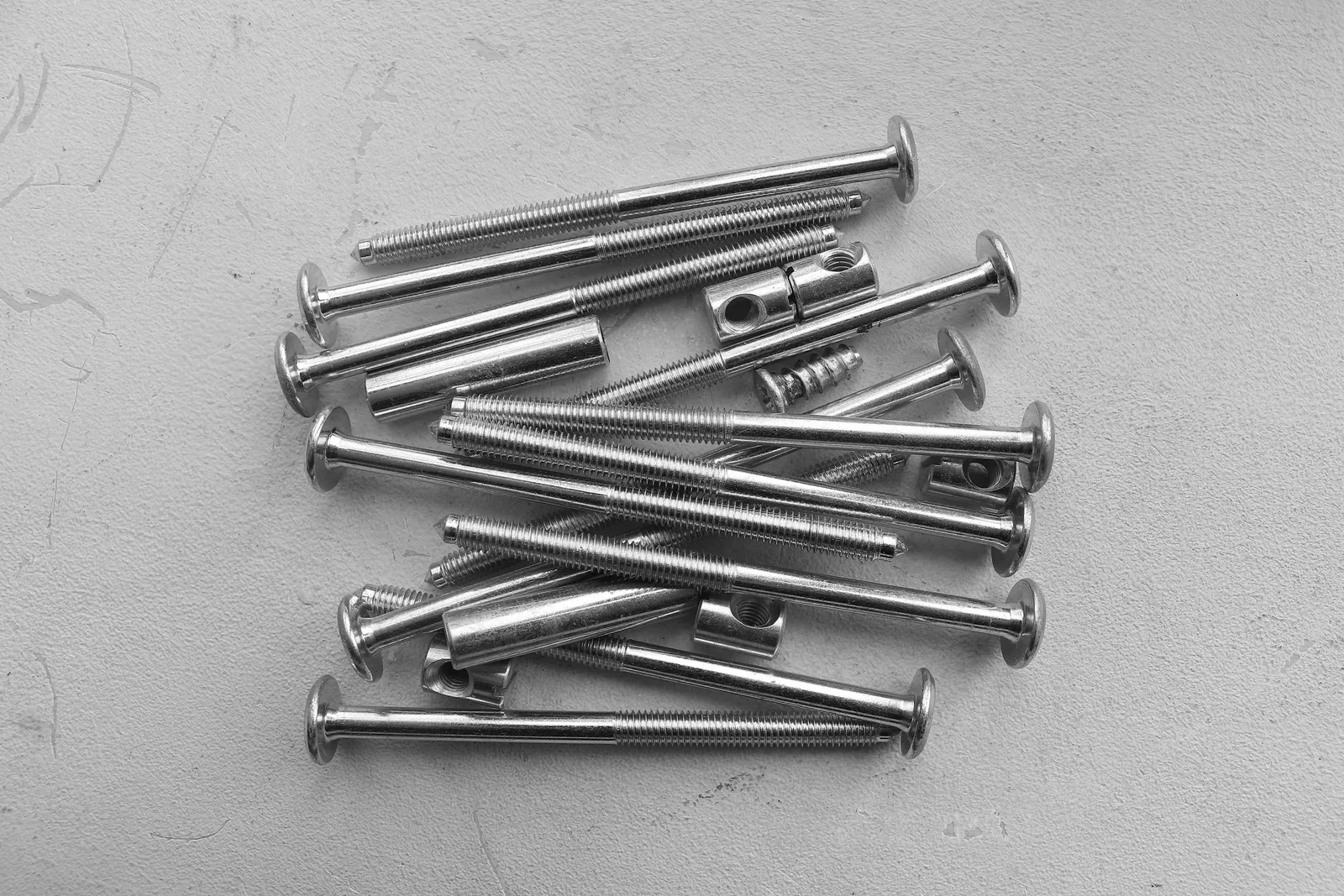
Give each separately stocked item a stable identity, and keep changing descriptions and business details in their own fields.
Decide what needs its own identity
A SKU is an internal reference for a stock item. Its first job is to let the team distinguish one item from another without guessing. Before choosing a numbering format, decide which differences matter to how you buy, store, build, sell, or ship the product. If a picker must choose between two variants, those variants need an unambiguous way to be identified.
Color, size, material, and pack quantity are common reasons to create separate item records. A replacement part may also need its own identity even when it is usually consumed inside a finished assembly. Write down your rule and test it against the catalog you have today. This prevents one person from treating a blue product as a variant while another creates a completely separate naming system for it.
Keep the code short enough to use
A readable structure can help people work, but packing every product detail into the code makes it harder to maintain. Choose a small set of stable elements or use a sequential identifier with clear descriptive fields beside it. Avoid details that change frequently, such as the current supplier, selling price, shelf location, or marketing name.
As an illustrative format, a small catalog might use TRAY-042-BLK for one tray variant and TRAY-042-WHT for another. That example is a choice, not a universal standard. Agree on separators, capitalization, allowed characters, and length after checking the systems and labels where the code will appear. Keep a short reference for abbreviations so a new teammate can interpret them without asking the person who invented the scheme.
Define what happens when a product changes
Agree on a change rule before the first redesign creates confusion. A corrected description may leave the item identity intact. A change that affects fit, compatibility, materials, packing, or what a customer expects may require a distinct revision or item record. The useful test is whether the old and new stock can be mixed and picked interchangeably without creating a problem.
Record the decision and its effect on existing stock, bills of materials, labels, and open orders. Avoid reusing a retired SKU for an unrelated item because old orders and records may still refer to it. Keep obsolete items identifiable, with a clear status and any replacement reference. A clean catalog preserves history while guiding people toward the item they should use now.
Test the system on a small product family
Try the proposed format on a representative set of products, including at least one variant, component, bundle, and discontinued item if those exist in your business. Print a sample shelf label and packing document. Ask someone unfamiliar with the codes to find the correct item and explain the quantity. Their hesitation often reveals a naming problem that looks invisible in a tidy spreadsheet.
For an existing catalog, build an old-to-new reference list before changing records. Check dependent labels, open orders, purchasing references, and production instructions. Introduce the new scheme in a controlled sequence and keep the mapping available while older documents are still in circulation. Then assign one owner for creating future item identifiers. Consistent decisions matter more than a clever code format.
Put it to work.
- Define which product differences require separate stock records.
- Keep changeable details outside the permanent identifier.
- Map supplier, channel, barcode, and internal references.
- Set a revision rule and avoid reusing retired identifiers.
- Test real labels before changing the whole catalog.