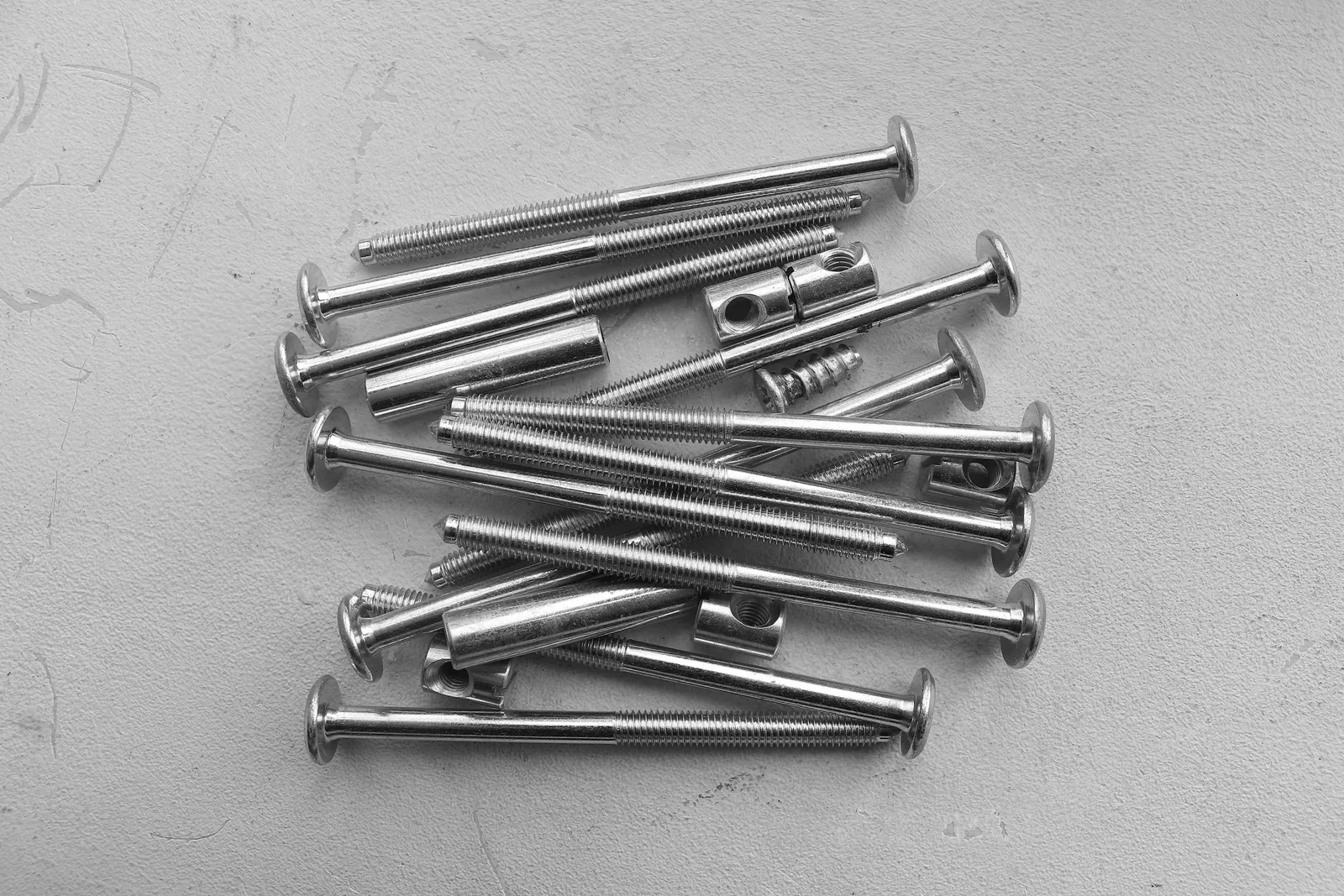
A useful count records what the stock is, where it is, and whether it is usable, then investigates the differences before changing the records.
Make the stock countable first
A good inventory count begins before anyone starts writing down quantities. Label storage locations, separate mixed parts, and identify anything sitting between stages of production. Give loose material a clear item reference and unit of measure. If two people can look at the same bin and disagree about what belongs in it, resolve that ambiguity before count day.
Define the scope of the count. Include the locations and stock types you intend to cover, such as raw materials, components, unfinished assemblies, finished products, and packaging. Keep borrowed, customer-owned, returned, or questionable items identifiable rather than combining them with normal stock. This article focuses on an operational count; any year-end valuation or accounting treatment should follow the process agreed with the person responsible for your books.
Keep movements from blurring the result
Choose a count window and decide how receiving, production consumption, transfers, and shipping will work during it. A full pause is simple where practical. If the shop must keep running, count by clearly marked zones and maintain a movement log with item, quantity, origin, destination, time, and the person recording the move.
The important question is whether a movement happened before or after the relevant stock was counted. Without that reference, the same carton can be counted twice or missed completely. Keep newly received goods in a designated place until their status is clear. Mark completed zones and document any reopening. Brief everyone who may move stock, including people who are helping only for the day, so the count procedure survives normal work.
Use the same unit every time
Record each item in its defined stocking unit. A bag, box, meter, gram, and individual piece are different things. For sealed containers, record the pack size and check that the label matches the item inside. For partial containers, use a documented counting or measuring method and identify any estimate instead of presenting it as an exact physical count.
In an illustrative example, three sealed bags of 50 fasteners and one open bag containing 17 fasteners total 167 pieces. Recording four bags loses the information needed to plan builds. If weight is used to estimate small parts, check the container tare and use a representative sample. Keep the measurement method with the count so another person can repeat it when a discrepancy needs review.
Explain discrepancies before correcting them
Compare the physical result with the recorded balance only after the count is captured. Recount meaningful differences, preferably with a second person who has the item and location details but is not trying to reach a target number. Then look for unrecorded receipts, material issued to a job, transfers between shelves, duplicate item records, and finished stock still recorded as components.
Document the reason for an adjustment as specifically as the evidence allows. If the cause is unknown, say so. Do not force a convenient explanation. Preserve the counted quantity, previous balance, adjustment, reviewer, and date. These details turn an inventory correction into a useful trail and make it easier to recognize whether the same issue recurs in a later count.
Use the result in everyday planning
After approved corrections are entered, revisit open production jobs and replenishment decisions. Some apparent shortages may disappear, while other jobs may now need attention. Review items marked damaged, obsolete, or waiting for inspection separately so their physical presence does not quietly become a promise of available stock.
Choose a small ongoing count routine based on what you learned. You might check frequently moved components, shared materials, or items with repeated discrepancies more often than slow-moving stock. Assign a location or item group to a regular review and track whether the causes of differences improve. The year-end count then becomes the start of a more reliable operating habit, rather than a large correction that gradually drifts out of date.
Put it to work.
- Label locations, item identities, and units before counting.
- Define the count window and stock-movement procedure.
- Keep usable, held, and third-party stock identifiable.
- Recount differences and retain the adjustment evidence.
- Use recurring count errors to choose the next process fix.