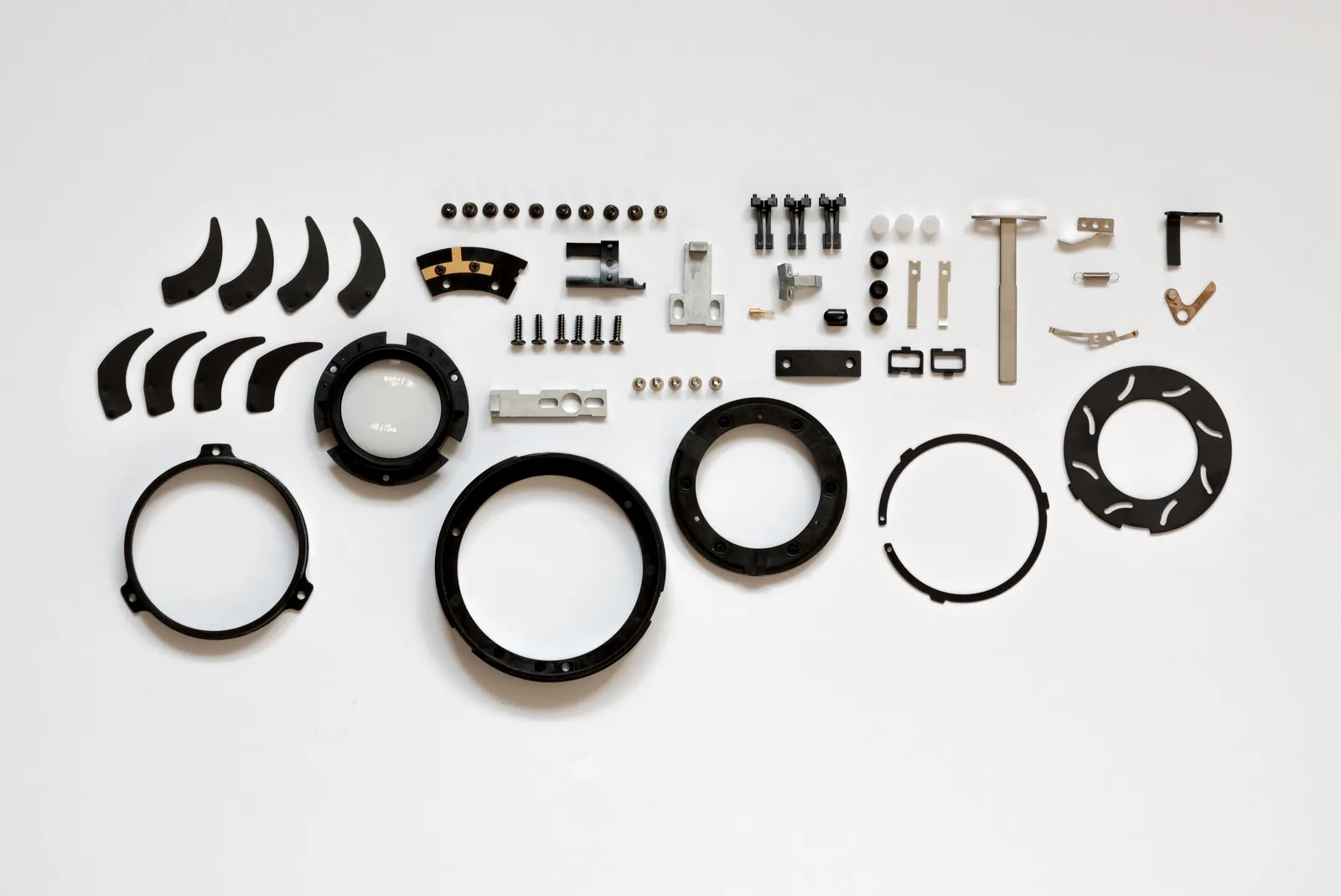
Start with the promises you have made, check what is ready to build, and leave room for the work that rarely appears on a machine schedule.
Start with the promises already made
A production week often starts with a list of products someone would like to make. A more useful starting point is a list of commitments: customer orders, replenishment dates, internal deadlines, and work left unfinished from the previous week. Put the required quantity and the date it must be ready to ship beside each item. That gives every proposed batch a reason to exist.
Separate firm commitments from forecasts. An accepted order has a different consequence from an idea for building extra stock. Keep both visible, but do not let a speculative replenishment run quietly displace a shipment already promised. If an order date is unclear, assign someone to resolve it before the production meeting. An unknown deadline is a planning task of its own.
Check what can actually be built
Compare each requirement with finished stock that is usable and uncommitted. Then check the components needed for the remaining quantity. A shelf count alone cannot tell you whether a batch is ready: some material may already belong to another job, be waiting for inspection, or be stored somewhere the operator cannot access.
Use a small readiness checklist for every candidate run: approved instructions, available components, suitable equipment, and a person who can complete the work. Flag missing items with an owner and a next action. A batch waiting on a delivery belongs in a conditional queue until the receipt is confirmed. This keeps a hopeful plan from looking like a firm schedule and gives purchasing a clear list of blockers to work through.
Schedule the whole process
Machine time is only part of the work. Include setup, loading, inspection, finishing, assembly, packing, and moving material between stations. Ask which step determines when the order becomes shippable. A printer can finish overnight while every part still waits for the same person to clean, inspect, and pack it the next morning.
In an illustrative workshop, a batch needs four hours on a machine and another two hours of attended finishing and packing. Fitting two batches onto the machine schedule does not prove they can both ship that day. Put the attended work beside the machine work and check the available people. Use your own recent run records for estimates, and note where an estimate is still a guess so it can be improved after the run.
Make the tradeoffs visible
Choose a simple order of priority that the team understands. For example, review overdue commitments first, then orders approaching their ship dates, then replenishment for products nearing their stock targets. Batch similar setups when it helps, but check the effect on the earliest due order before rearranging the queue.
Leave some capacity unassigned based on the interruptions your shop actually encounters. Record why that time exists: maintenance, likely rework, incoming checks, or small urgent orders. It is easier to defend space in a plan when it has a purpose. When a new urgent job arrives, name the work it will displace and update the affected commitment. Adding it to the top without moving anything else creates an unrealistic schedule that nobody can use.
Review briefly, then learn from the week
Use a short daily review to compare the plan with reality. Focus on completed quantities, blocked work, and commitments at risk. Update the next step and owner for each exception. The whole team does not need to revisit every unchanged job, and the plan should not require a long meeting to stay useful.
At the end of the week, look at the difference between planned and completed output. Choose one recurring cause to improve, such as missing packaging, underestimated setup time, or a component that repeatedly arrives late. Carry that learning into the next plan. Over time, the weekly schedule becomes a record of how the shop works, with assumptions that are visible enough to challenge and specific enough to improve.
Put it to work.
- List committed quantities and ready-to-ship dates.
- Check component, equipment, and instruction readiness.
- Include attended finishing and packing time.
- Give every blocked job an owner and next action.
- Review one planning assumption at the end of the week.