Make the correct item, complete contents, and matching label easy to verify at the moment the package is closed.
Define what a complete package contains
A packing station does more than put products into boxes. It is the last practical opportunity to check whether a shipment matches the order. That check becomes easier when the station has a clear definition of a complete package and a repeatable order of work.
For each product family, document the contents, quantity, variant, included accessories, protective packaging, and any order-specific insert. Use product identifiers that distinguish similar items. A photo can help with orientation and appearance, but it should not replace a readable size, color, or revision where those differences matter.
Keep the reference close to the work and give it an owner. A packing instruction that still shows an old accessory creates uncertainty at exactly the wrong moment. When the product changes, update the reference and remove obsolete copies before the changed stock reaches the station.
Give each order a physical boundary
Mix-ups often begin when items from different orders share an unmarked surface. Create a clear boundary for the order being checked, using a tray, tote, or defined bench position. Keep its order reference with the contents while the package is open.
Arrange the station in the order work moves: incoming picked items, verification, packing materials, sealing, and completed shipments. The exact shape depends on the space and the people using it. The useful principle is that a package has an obvious state and location, even when someone is interrupted.
Keep unrelated supplies out of the active order area. Place commonly used materials within a comfortable reach and return them to a consistent position. Test the arrangement with the person doing the work. A tidy photograph is less useful than a station where the next item is easy to find during an ordinary busy shift.
Put the checks before the point of closure
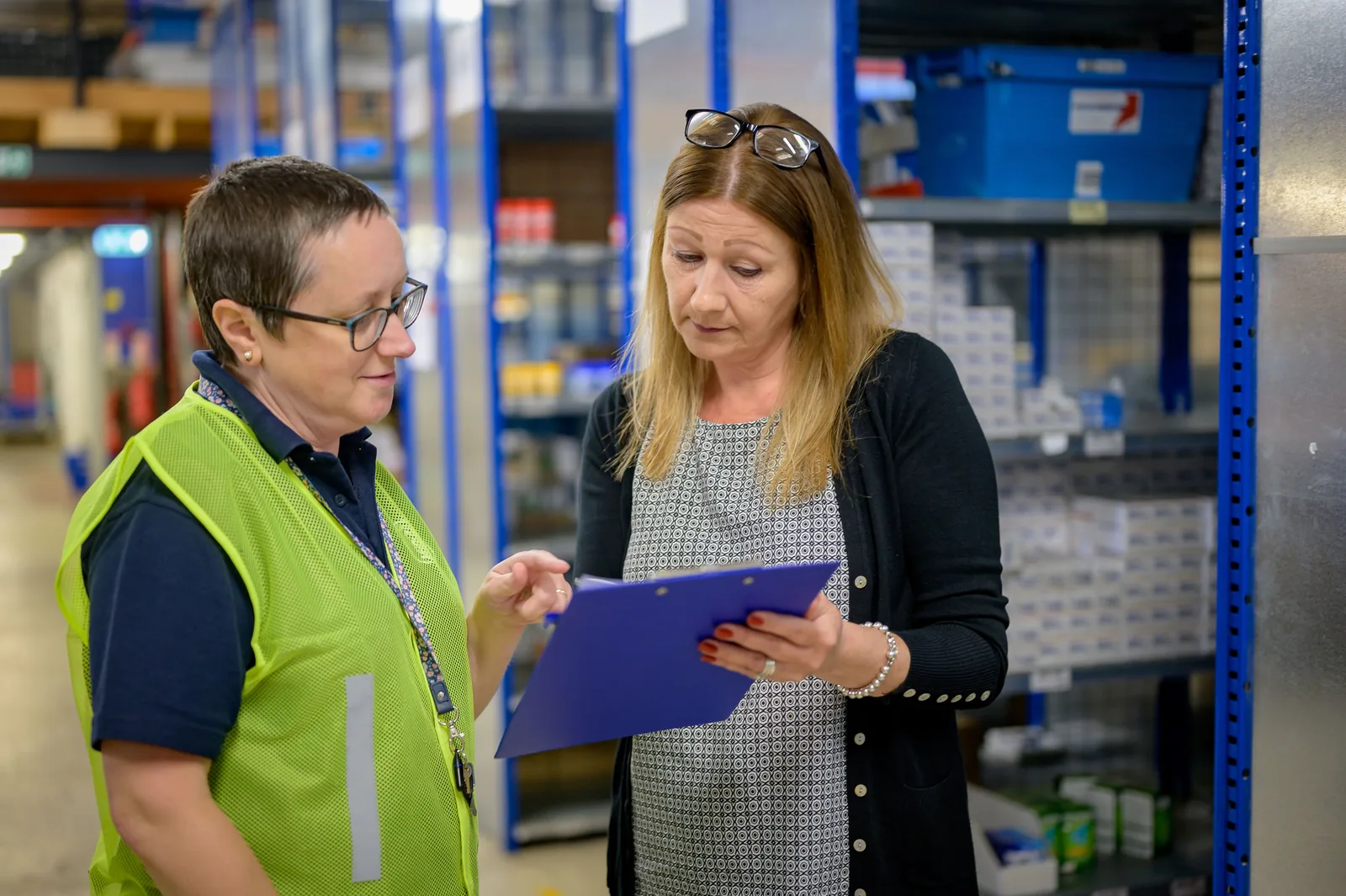
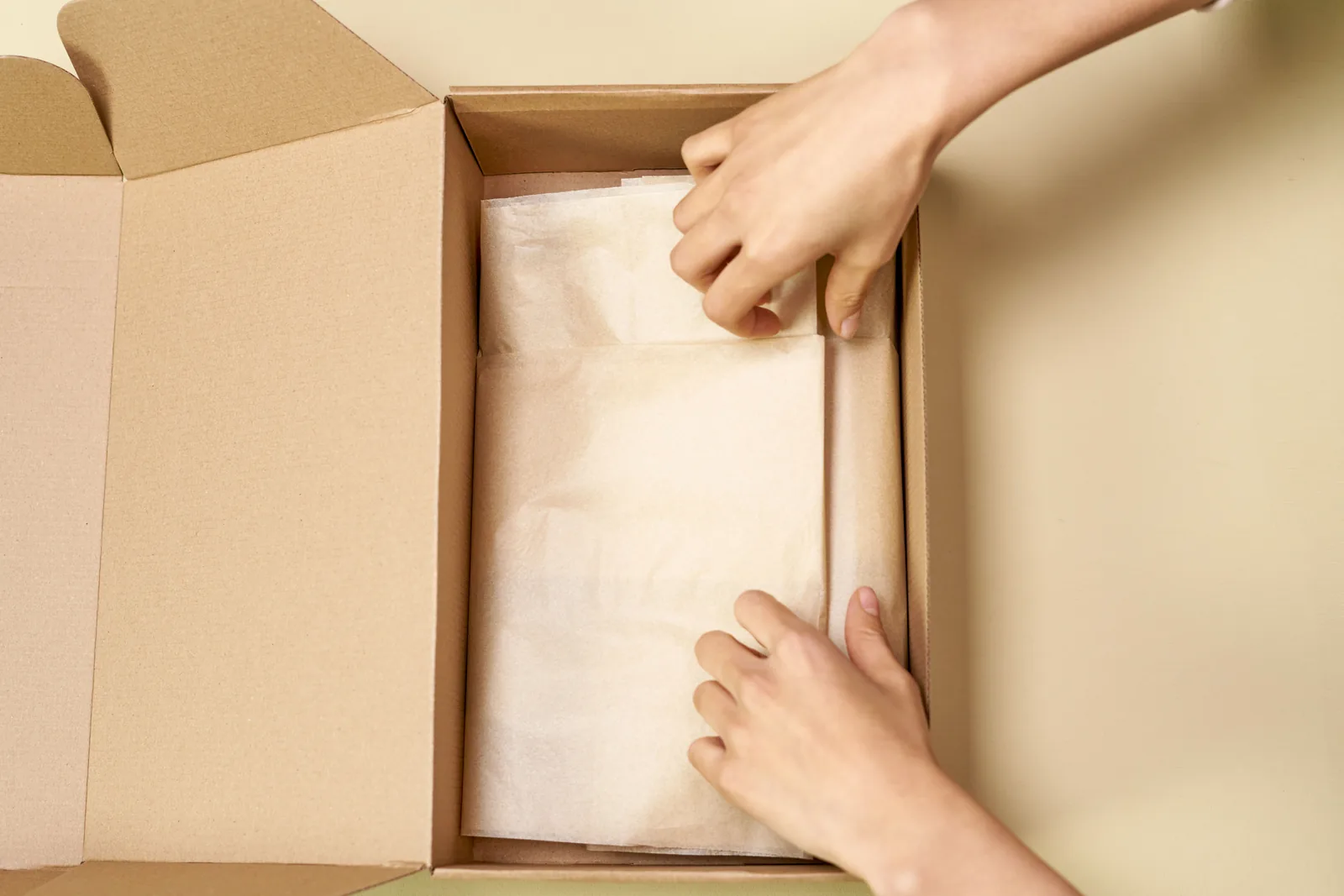
Build a short verification sequence that happens before sealing. Compare the order reference with the product identifier, variant, quantity, and accessories. Then confirm that the packaging matches the product and the intended shipment. Keep the checks specific enough that a new team member can explain what each one is checking.
For an illustrative example, a kit might contain one main part, two mounting pieces, and an instruction card. Lay those contents in fixed positions so a missing mounting piece is visible before they enter the box. The same idea can work with a compartmented tray or a simple reference image; it does not require a complicated fixture.
A barcode scan can support identity checks when the workflow actually compares the scanned item with the order. A successful scan alone does not establish that the quantity or accessories are right. Assign each check a clear purpose and avoid adding steps that produce activity without useful verification.
Keep the label tied to the package
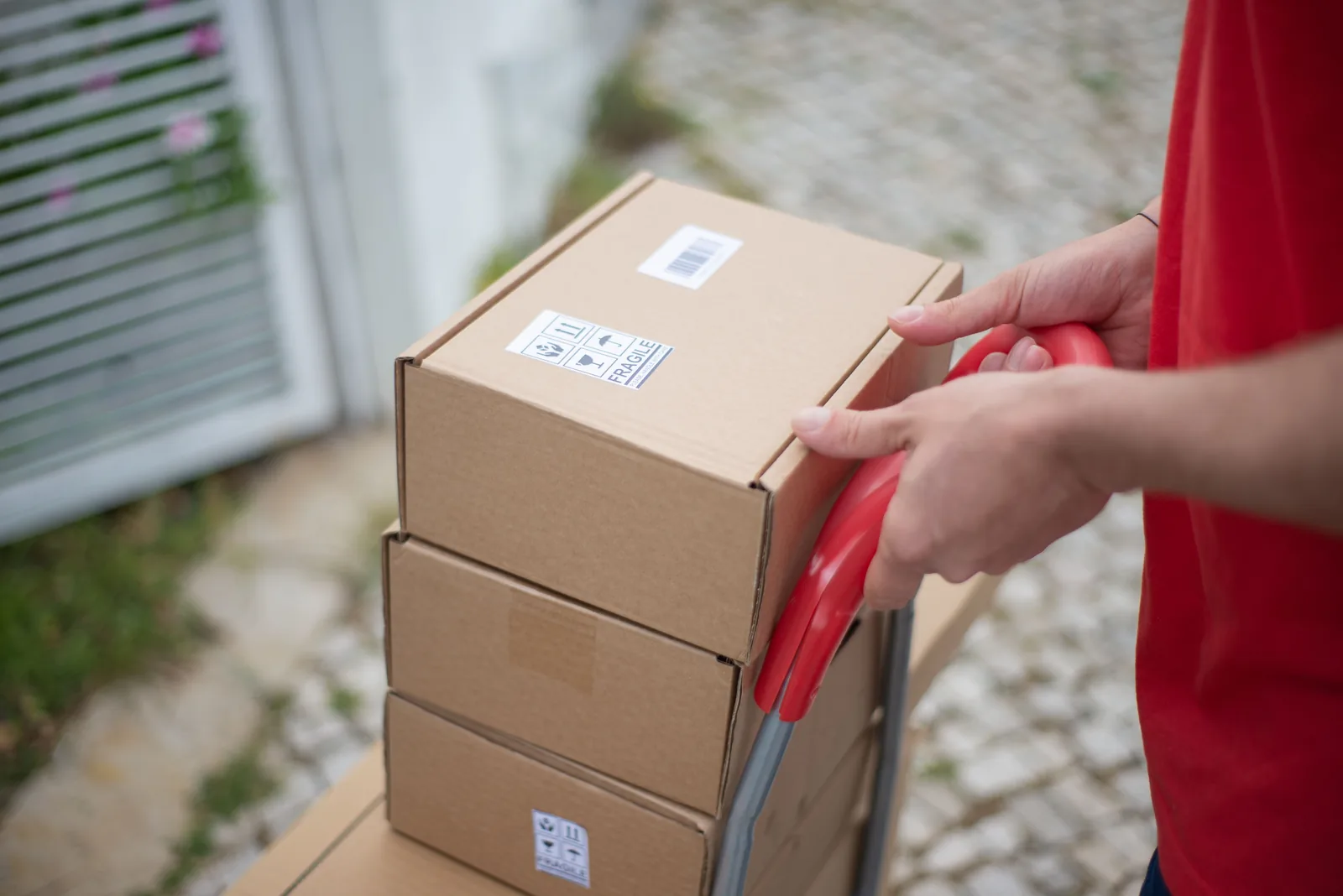
Shipping labels deserve their own handoff rule. Choose a sequence that keeps the label associated with the verified order from printing through application. If several labels are printed together, use an explicit matching method instead of relying on the order in which paper lands in a tray.
Before the shipment moves to the completed area, compare the label and order reference using the identifiers your process provides. Confirm that the package has the required shipment information and that a replaced or voided label is removed from the workflow. Keep reprints distinguishable from labels that still need to be used.
When an address, item, or packaging issue cannot be resolved immediately, move the whole order to a marked exception area with its reference and a short reason. Leaving an unresolved package among finished shipments makes the uncertainty difficult for the next person to see.
Use exceptions to improve the station
Track a small set of packing exceptions: wrong variant, missing component, unclear instruction, unsuitable packaging, label mismatch, or damaged item. The purpose is to find repeated causes. Record where the issue was detected and what information would have helped someone catch it earlier.
Review recurring exceptions with picking, production, and product setup. If two variants look almost identical, improve their bin separation or identifiers. If a kit repeatedly arrives incomplete, inspect the assembly handoff. The packing bench can catch problems, but it should not become the only place responsible for correcting them.
Finish by trying the revised station with a representative mix of orders, including a multi-item order and one that needs an exception. Watch where people pause or improvise. Adjust those points before declaring the layout finished. The strongest packing process remains understandable when the usual packer steps away.
Put it to work.
- Keep current contents and variant references at the station.
- Give active orders a clear physical boundary.
- Check product identity, quantity, and accessories before sealing.
- Maintain an explicit match between each package and its label.
- Give unresolved orders a visible exception location and owner.